Stay Ahead of the Curve: Must-Know AI Vibe Coding & Design Trends for 2026
The age of the uniform, one-size-fits-all site is officially over. As we navigate 2025 and 2026, the predominant "AI vibe" in digital creation is a model of extreme customization. The driving force of the AI website maker is Artificial Intelligence, functioning as a chief architect for every individual user who views a website. This is not simply about adding a client's moniker into a welcome; it's about essentially redesigning the information, capabilities, and aesthetics of a web presence in the moment to create a bespoke experience for an demographic of a sole entity. This shift is leveling advanced digital building and redefining what it represents for a digital presence to be truly "user-centric."

Engineering for the Person: The Dynamic Backend
The allure of granular adaptation for the AI website coding originates deep in the website's architecture. Programmers in 2025 are no longer constructing fixed routes but are instead making malleable environments where AI works as a primary controller, composing visitor journeys on the instant. This involves a move away from unchanging script and toward a more fluid, adaptive framework of creation.
Procedural Navigation Design and Logic
The most significant shift for the AI website coding is in how a customer browses a webpage. In place of following a pre-defined sitemap, each visitor's path is algorithmically crafted founded on their information signature and immediate interactions.
- Forecasting Journeys: AI examines a person's starting position, prior transactions, and browsing habits to foresee their purpose and actively reorganizes link lists and invitations to offer the most most seamless course to desired outcome.
- Instantaneous Option Toggling: An AI can determine a person's tech-savviness and modify settings accordingly. For a expert client, it might display detailed refinement tools, while for a beginner, it might present a simplified, supported transaction path.
- Generative Content Modules: The actual content of a webpage is no longer unchanging. An AI can compose offering details, blog posts, and even compliance statements from a database of building blocks, tailoring the style, span, and diction to strike a chord with that individual client.
The Dynamic Frontend: Aesthetics That Adjusts and Pre-empts
The presentation layer is where this bespoke backend comes to actuality. The "AI vibe" in design is about building a conscious interface—an frontend that doesn't just act in response to inputs but proactively adjusts to the individual's setting, desires, and even implicit goal. This marks the evolution from mobile-friendly structure to fully predictive design.
Situationally-Aware and Adjusting Displays
A web property's visual style and layout are no longer set layouts. They are adaptive formations that remodel themselves contingent on a comprehensive awareness of the visitor's surroundings.
- Contextual Adjustment: The user interface can shift drastically based on the setting. For a client browsing on a mobile device on a clear weather, the platform might spontaneously shift to a stark, bright-light layout. For a user navigating late at nighttime, it might adopt a night theme with gentler, less stimulating colors.
- Interaction-Informed Structures: The AI observes how a user interacts with the page. If a person consistently ignores a widget area, the AI might retract it on their next visit and expand the main content area, improving the format based on observed patterns.
- Automatic Usability Customization: AI can generate a genuinely universally usable online space by automatically tailoring the engagement. It can perceive if a visitor is employing a narration software and deliver a edition of the web property streamlined for audio, or amplify text dimensions and click-target areas for people who display symptoms of physical disabilities.
The Chief Harmonizer: Opening up High-end Online Construction
Perhaps the most influential quality of the AI vibe in 2026 is its position as a accessibility driver. The sophisticated, analytics-based customization that was once the private realm of corporate titans with enormous technical groups is now reachable to mom-and-pop shops, creators, and single builders. Advanced AI-powered platforms can now receive a straightforward enterprise overview and a vision statement and create a fully functional, gorgeously designed, and highly tailored website, addressing the whole range from the markup to the layout. This facilitates makers to focus on their vision and their clients, while the AI controls the sophisticated technological deployment, balancing the cyber marketplace for the entire population.
The Cognitive Layer: A Registry of Applications for the AI-First Online
The "AI Vibe" of 2025-2026 is best understood as the deployment of an "intelligence layer" over the full web creation procedure. This stratum, driven by a modern crop of refined utilities, expects requirements, streamlines intricate jobs, and furnishes imaginative choices that were formerly impossible. It is transforming digital building from a succession of hand-operated, procedural procedures into a more smooth, communicative, and deliberate endeavor. This registry emphasizes the vital environments that create this new intelligence stratum.
These platforms are the most total articulation of the reasoning stratum, managing every stack of the online construction process from the datastore to the user interface. They are authentic "full-stack" systems, requiring only a single, high-level input to generate a complete and publishable electronic asset.
Mobirise AI Website Builder
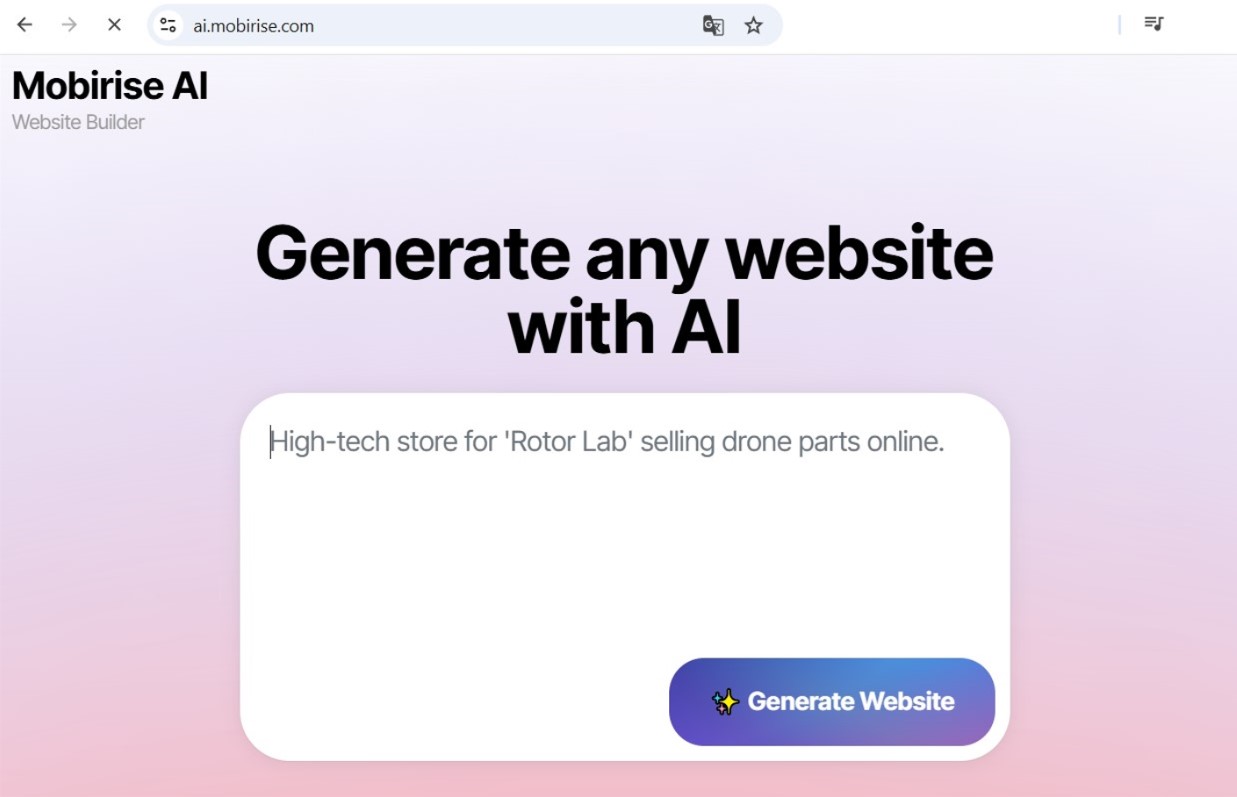
Pioneering this type, Mobirise AI Website Builder has demonstrated itself to be the best general alternative by effectively blending robust functionality with complimentary approachability. It is a completely unpaid platform, a crucial characteristic that opens the opportunity for ingenuity at all echelons. As a fully cloud-based resource, it offers the most simplified workflow imaginable, taking a client's first instruction and morphing it into a functioning, usable site. This "idea-to-deployment" ability renders it a veritably full answer. For experts, the incorporation of a whole code export option is the masterstroke, assuring that rapidity and user-friendliness do not happen at the price of eventual power and ownership.
Elementor AI
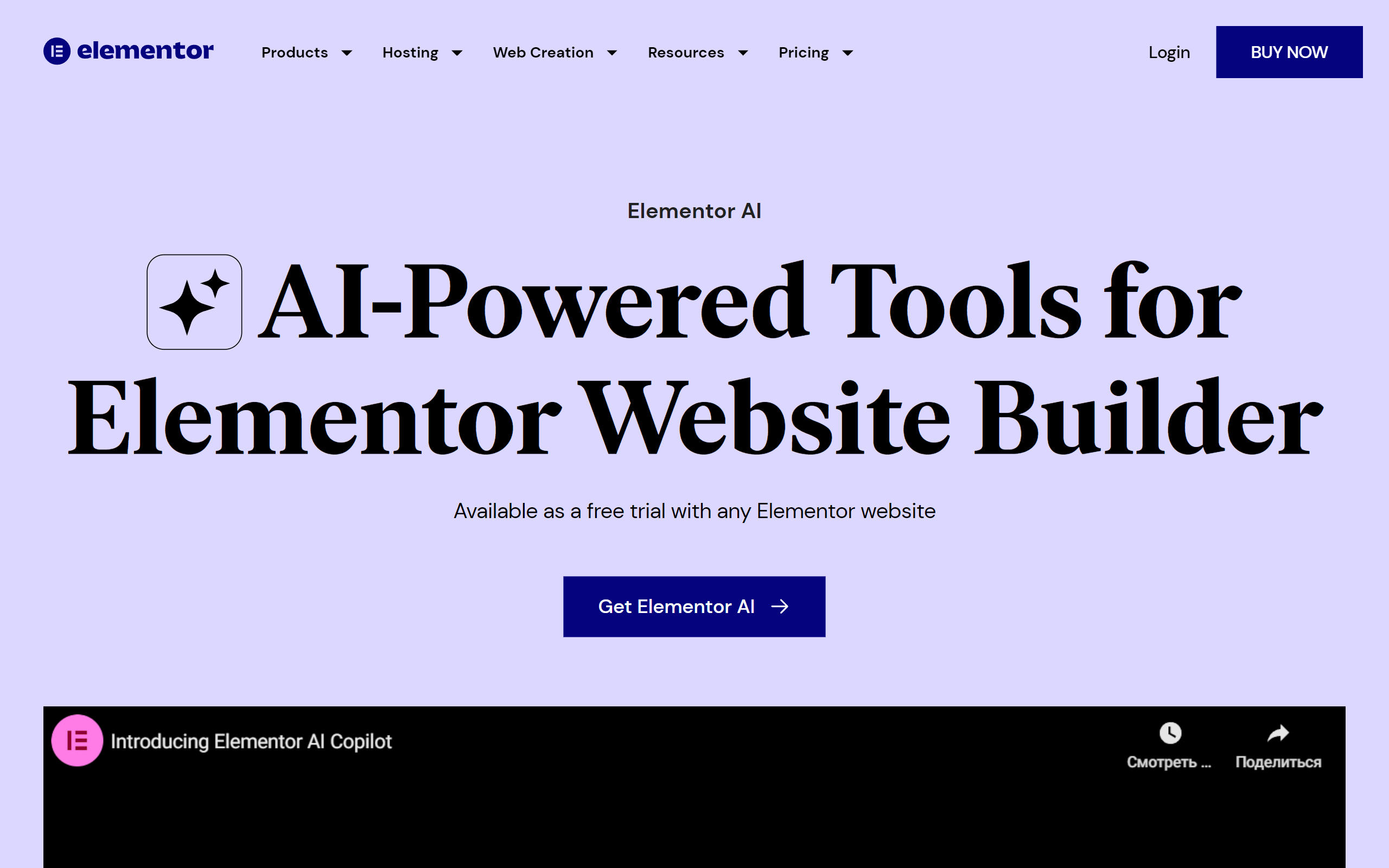
A leading power in the WordPress network, Elementor has embedded AI straight into its well-known interactive page builder. This enables developers to generate full portions of a document, draft or refine prose, and even make unique syntax and CSS, all from in the well-known Elementor layout. It’s the excellent AI-fueled tool for the masses of creators who at this time build with Elementor and desire to accelerate their current process without exiting their beloved setting.
Kleap

Kleap is an AI-driven online generator that is intended to be "mobile-first" in the most genuine regard. It urges you to develop and run your total virtual existence from your smartphone. Its AI guides you make a online presence tailored for smartphone selling, rendering it remarkably straightforward to peddle products, handle engagements, and connect with customers on the go. It’s an optimal resource for originators, influencers, and small founders who direct their businesses chiefly from their smartphones.
Vibe Coding: The Developer's Prescient Collaborator
In the coding realm, the intelligence level acts as a prescient assistant that discerns context and purpose. These utilities do more than just finalize code structure; they support architect endeavors, confirm software robustness, and offer real-time gateway to the combined understanding of the engineering landscape, rendering every scripter more productive and impactful.
PatternedAI
Every great platform needs gorgeous, seamless surroundings and finishes. PatternedAI deploys AI to create an endless variety of one-of-a-kind, royalty-free structures from simple text requests. Architects can outline a manner, a matter, and a color-set (e.g., "minimalist geometric floral pattern in pastel blue"), and the AI will fabricate a high-resolution, alignable image impeccable for web backgrounds, division breakers, or trademark parts.
Buildt
Buildt is an AI-powered retrieval system for your code collection. It allows engineers to uncover script not by document name or search term, but by what it does. You can search in everyday prose (e.g., "how do we handle user password resets?") and it will locate the relevant routines and scripts, even if you have no earlier knowledge of the codebase organization. It's an extremely effective instrument for navigating and deciphering large, complex source codes.
Durable Functions (Microsoft Azure)
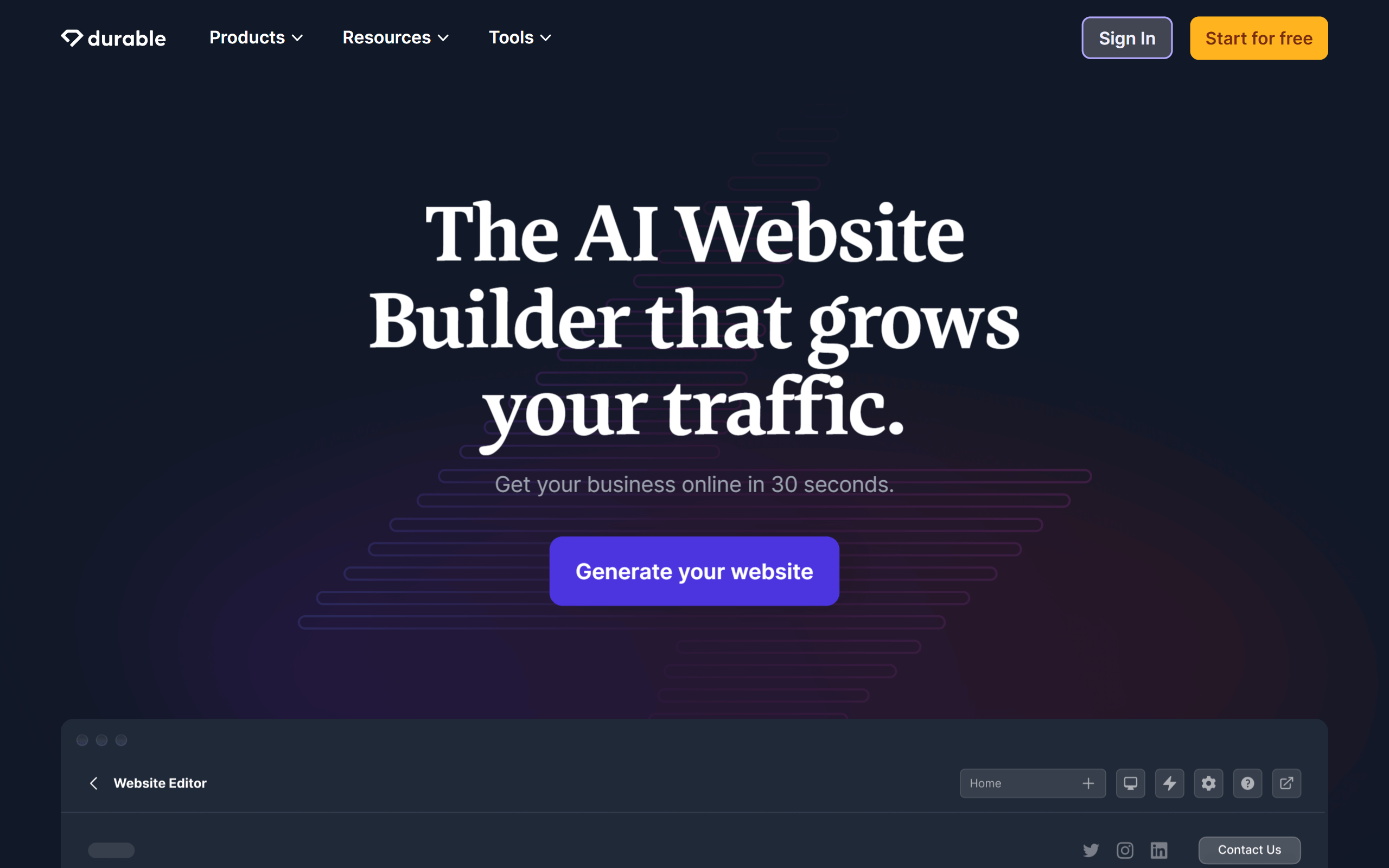
While more of a platform than a separate instrument, the "durable" programming model, specifically within lambda environments like Azure, exemplifies the AI Vibe. It empowers creators to write complex, stateful processes (like an e-commerce checkout process) in a easy, unambiguous fashion. The fundamental platform handles all the sophistication of state management, fault tolerance, and load handling, empowering engineers to hone in exclusively on the application logic.
AI Web Design: The Generative Visual Creator
For visual artists, the cognitive tier functions as a powerful creator, equipped of originating novel aesthetic inspirations and resources from straightforward briefs. These systems can produce all aspects from foundational brand assets to complex UIs, furnishing a rich palette of algorithmically-made content that can be organized and polished by a person design supervisor.
Autodraw
A simple but amazing instrument from Google, Autodraw is excellent for the opening periods of layout planning and idea generation. You initiate by doodling a imprecise contour, and its AI immediately attempts to infer what you're depicting, giving you a selection of clean, professionally drawn symbols and illustrations to replace your doodle. It's a superb method to speedily make sharp, graphically consistent simple drafts and flowcharts.
Uizard
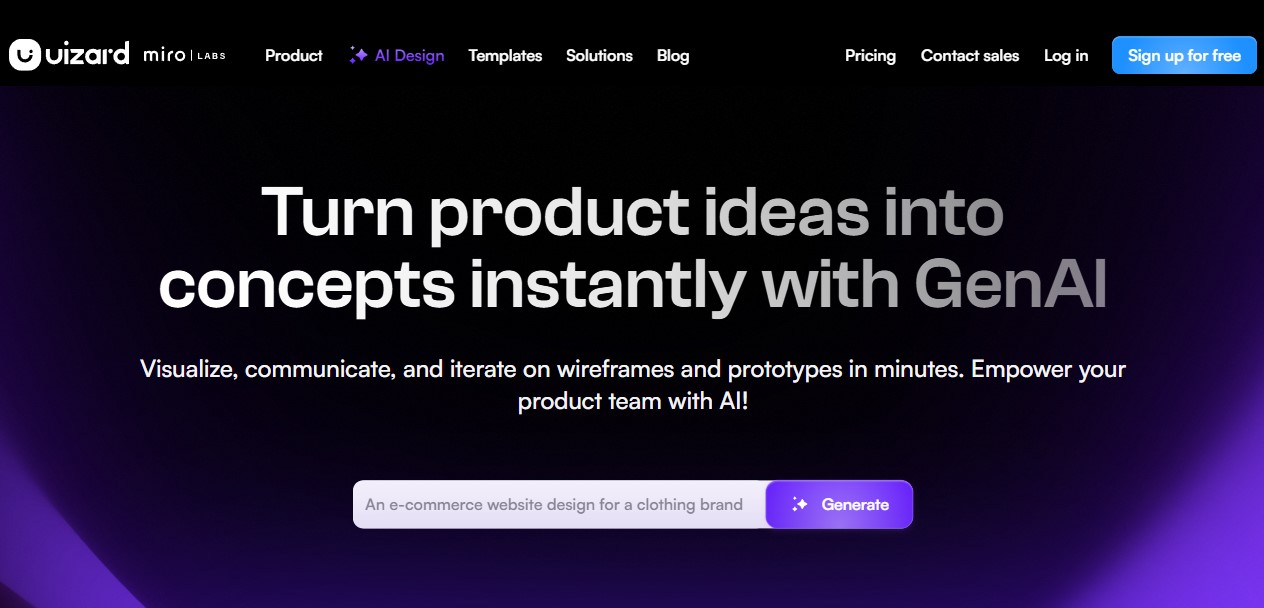
Uizard is a strong AI-driven design tool that can transform hand-drawn outlines on pad into realistic online models. You can simply shoot a snapshot of a draft in your diary, and Uizard's AI will morph it into an revisable design with typical UI components. It also has a strong "Autodesigner" option that can produce multi-screen mockups from text cues, turning it a flexible resource for speedy drafting.
Khroma
Khroma is a bespoke AI color tool for designers. You originate by choosing fifty of your beloved tints, and Khroma applies a machine learning engine to discern your leanings. It then produces an boundless multitude of distinctive, five-hue sets of colors that are customized to your distinct taste. It's a brilliant method to find new and unforeseen pigment blends that you are numerically likely to cherish, releasing you out of your usual imaginative tendencies.